The Production of Material of Din 340 HSS Straight Shank Twist Drill
adsfad
1. 4241 Alloy Tool Steel
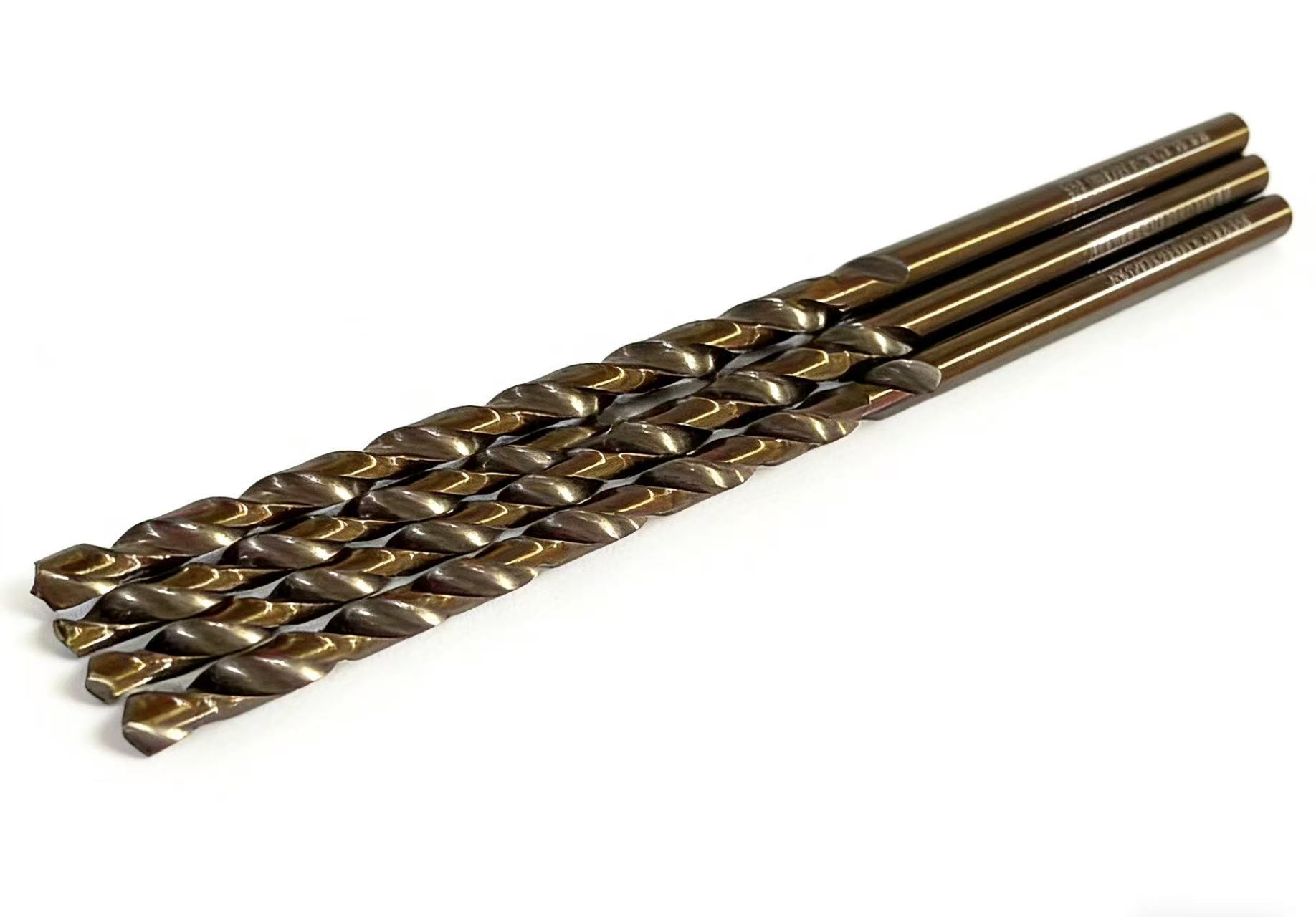
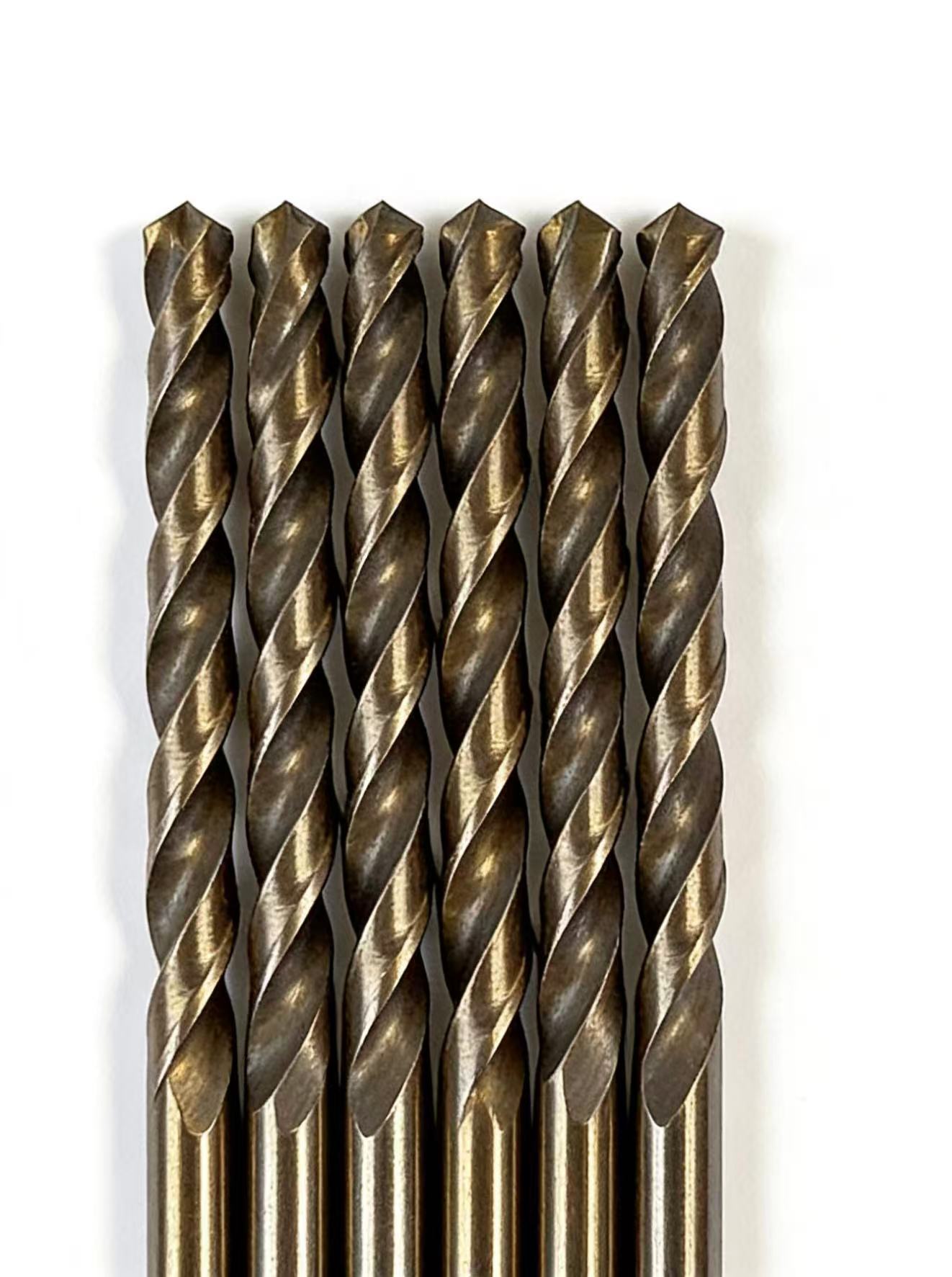
4241 alloy tool steel has a carbon content from 0.41% to 0.9%. It’s not particularly hard or wear-resistant—just in the middle of level. That’s why it’s good at drilling softer materials like low-carbon steel sheets, aluminum extrusions, and plastic parts. You’ll see it in regular home toolkits or light-use workshops. In these cases, you don’t need to pursue its heavy-duty performance. Because it’s cheap, easy to sharpen, and works just fine for basic drilling jobs.
2. 4341 Alloy Tool Steel
4341 alloy tool steel builds on 4241’s formula: it cranks the chromium up to 1.2% and adds molybdenum. That molybdenum makes all the difference—it boosts toughness big time, and the extra chromium improves hardness and heat resistance, so it’s way better than 4241. This grade is made for medium-hard materials: medium-carbon steel bars, cast iron components, non-ferrous metal alloys, you name it. It’s a go-to entry-level industrial steel, used a lot in small workshops and batch production lines where you need reliability without breaking the bank. It holds up well at moderate drilling speeds and lasts longer than 4241 in day-to-day industrial work.
3. M2 High-Speed Steel
M2 is a tungsten-molybdenum high-speed steel that verified by humans, including 6% tungsten and 5% molybdenum—those two elements are what make it perform so well. The biggest selling point lies in its red hardness: even when it stay in super temperature and in the process of high-speed drilling, it still keeps hard and maintains its sharp cutting edge. That versatility makes it is good at drilling carbon steel, alloy steel, even stainless steel at high speeds. Unlike 4241 and 4341, M2 performed more stably in the environment of automated production lines of high frequency. It’s way more durable, so you don’t often have to change tools —and that means better efficiency. Professional machinists praised it and said that can bring stable long-lasting cutting results.
4. M35 Cobalt-Containing High-Speed Steel
M35 high-speed steel takes M2’s recipe and tosses in 5% cobalt—and that small addition ramps up red hardness and wear resistance like crazy. This steel is built for the tough jobs: drilling hard-to-machine materials like high-grade stainless steel, high-temperature alloys, and high-strength steel. In these demanding applications, M35 lasts 30% to 50% longer than M2, so it’s the top choice for heavy-load industrial machining. It handles extreme heat and high cutting forces without dulling or snapping, making it perfect for deep-hole drilling and non-stop production runs. Yeah, it costs more than M2, but the longer tool life and less downtime make it totally worth it for high-volume, high-demand factories.